
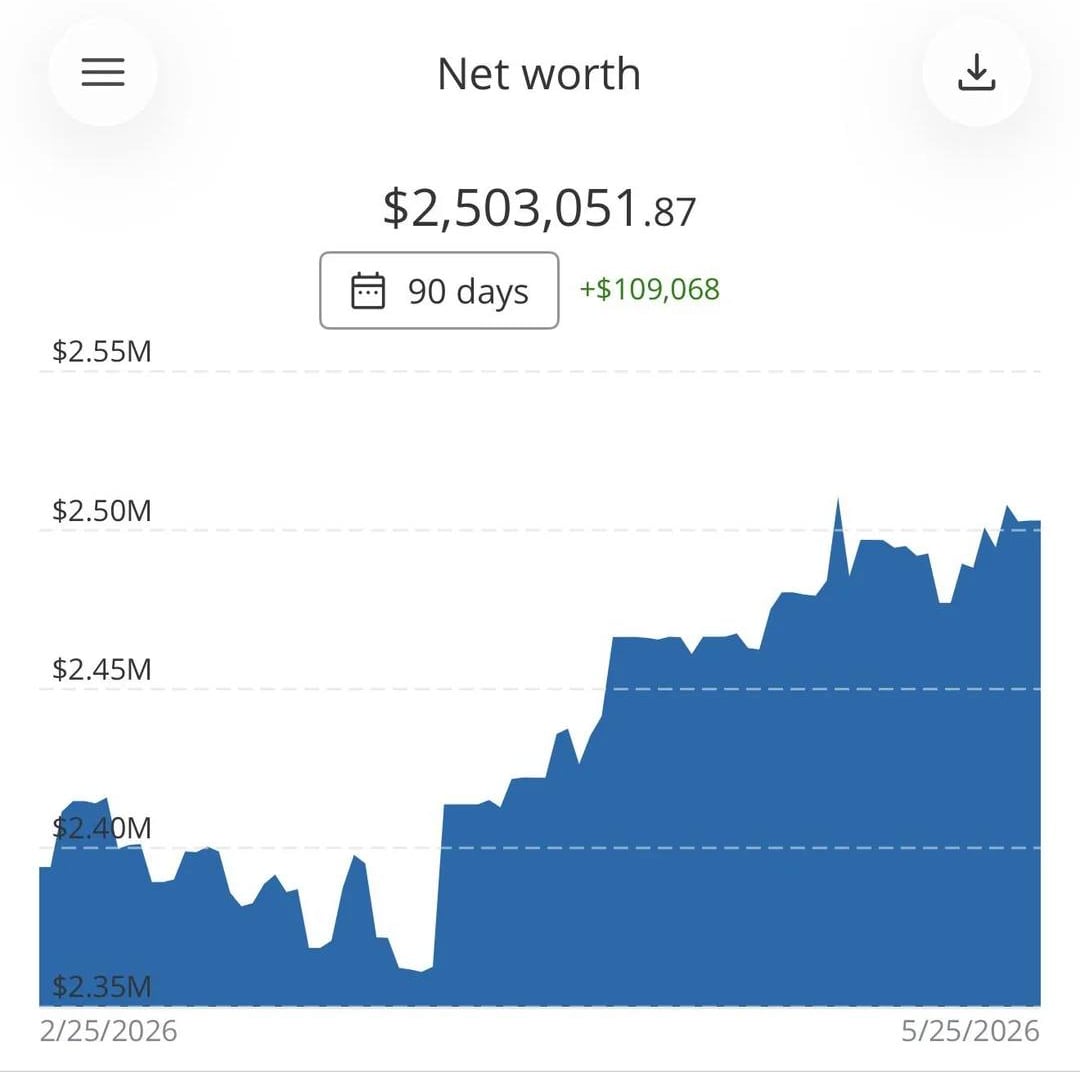
If you spend enough time in Facebook groups about investing, retirement, or financial independence, you eventually start seeing the same kind of post over and over again.
A person shares how they quietly built a multi-million-dollar net worth despite “never making that much money.” They talk about living with their parents to pay off student loans. Raising kids. Saving aggressively. Getting lucky with a low mortgage rate in 2020.
And then, somewhere in the middle of the story, comes the real point of the post:
A tagged name.
Usually framed casually. Almost as an afterthought.
“Also did short term trading with Mr. So-and-so.”
That link is often the entire reason the post exists.
The Stories Are Designed to Feel Relatable
Financial scammers have gotten dramatically better at blending into online communities over the last few years. The old model of obvious spam and outrageous promises still exists, but many scammers now operate through something much subtler: believable storytelling.
Instead of sounding like a scammer, they sound like your neighbor.
The numbers are carefully chosen. Not billionaire-level wealth. Just enough money to feel impressive but attainable. The backstory is usually relatable on purpose: modest income, debt, kids, sacrifice, discipline.
One recent post claimed the writer had more than $3 million in retirement savings, a pension worth hundreds of thousands of dollars, a multimillion-dollar home nearly paid off, and enough projected growth to retire with $8 million in total assets by their late 60s.
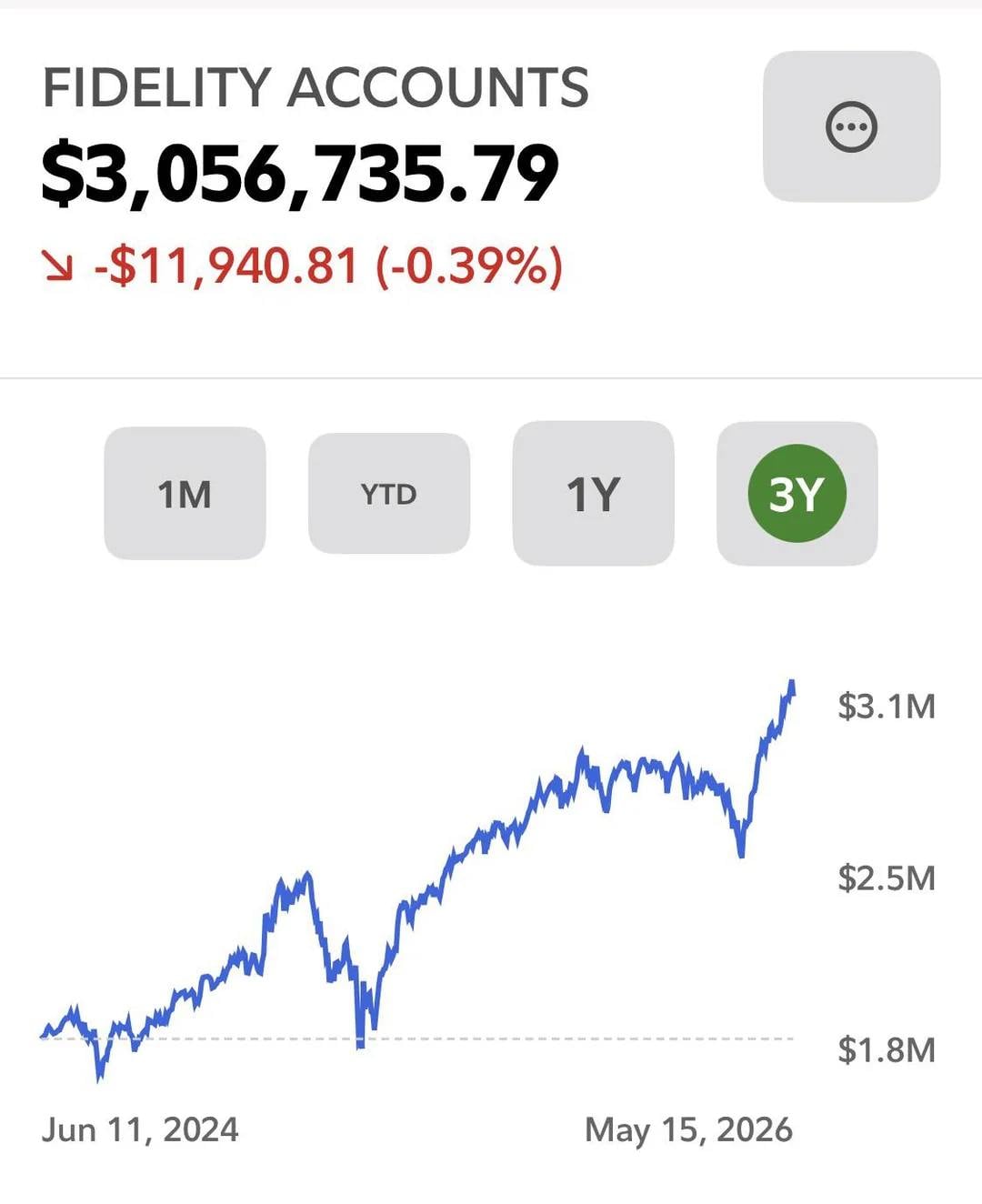
Buried in the middle of the post was the familiar detail: the writer credited a private trading group and “signals” from a specific individual for helping build that wealth.
That combination is what makes these posts so effective.
The lifestyle feels aspirational, but the storytelling feels grounded.
The Real Goal of the Post
These posts are carefully structured.
First comes the relatable life story. Then comes the believable financial success. Then comes the subtle recommendation.
The “advisor” or “trader” is rarely presented like a salesperson. Instead, they’re casually mentioned alongside legitimate financial decisions like saving early or refinancing a mortgage.
That framing is intentional.
It makes the recommendation feel organic instead of promotional.
And because the post sounds emotionally authentic, many readers lower their guard without realizing it.
What Happens After Someone Clicks
Once someone clicks the tagged profile or sends a message, the interaction often moves quickly to private chats on apps like WhatsApp or Telegram.
From there, victims may be shown fake trading platforms, fabricated profits, or encouraged to transfer money into cryptocurrency schemes. Some are allowed to withdraw small amounts at first to build trust before eventually being blocked from accessing their funds altogether.
The scam works because it unfolds slowly.
There’s usually no dramatic demand upfront. Instead, the victim is guided step by step into believing they’ve found a legitimate financial opportunity.
Why These Scams Work So Well
The broader shift here is that scams have become socially invisible.
Ten years ago, internet fraud often looked sloppy and easy to spot. Today, many scams are designed to look emotionally authentic.
And social media platforms have unintentionally created ideal conditions for this evolution.
Investing and retirement used to be relatively private subjects. Now people publicly share brokerage screenshots, debt payoff journeys, and retirement milestones every day. That visibility creates aspiration — but also vulnerability.
Scammers have noticed.
One of the biggest red flags is when a stranger’s financial success story includes a hyperlinked recommendation for a specific “trader,” “mentor,” or “advisor.” Legitimate financial professionals rarely market themselves this way.
The Simplest Rule to Remember
If a stranger’s retirement success story ends with a link to the person who supposedly helped them get rich, there’s a good chance the story itself is just bait.
The emotional backstory is there to build trust.
The link is the real product.
Leave a Reply