Latest Articles
-

How Fake Ads for Real Brands Are Flooding Facebook and Instagram
Let’s play a game. Open up Facebook or Instagram right now and scroll for five minutes. Odds are, you’ll see an ad offering an insane deal on a big-name brand—Herman Miller chairs for $129, or Cotopaxi backpacks at 80% off. Maybe the ad looks perfect: real product photos, official logos, even a “store closing” story…
-

What to Do If Your Parent Is Being Scammed by an Online Impersonator
Let’s set the scene: Your parent’s phone keeps buzzing. They’re suddenly giddy, texting late at night, maybe dropping names like “George Clooney,” “Keanu Reeves,” or a slightly misspelled K-pop star. And now, you’re hearing phrases like, “He just needs a little help—he’s so down-to-earth!” or “I can’t believe she chose me out of all her…
-
Why Feeling “Behind” Makes You Easy Prey for Scams and Bad Investments
We like to think money is about math. Add some here, subtract some there, multiply it by your years in the workforce, and eventually you’ll land at the destination marked “enough.” But money is really about stories. The stories we tell ourselves about where we should be, what we deserve, and—most dangerously—how far behind we…
-
Why Every “Bank” Call Should Make You Suspicious
Let’s say the phone rings, and on the screen you see the name of your bank. Maybe it even matches the exact number printed on the back of your debit card. The person on the other end sounds professional. They know your name, maybe even the last few digits of your account. They say there’s…
-

Deepfake Celebrity Scams Are Here—and They’re More Convincing Than Ever
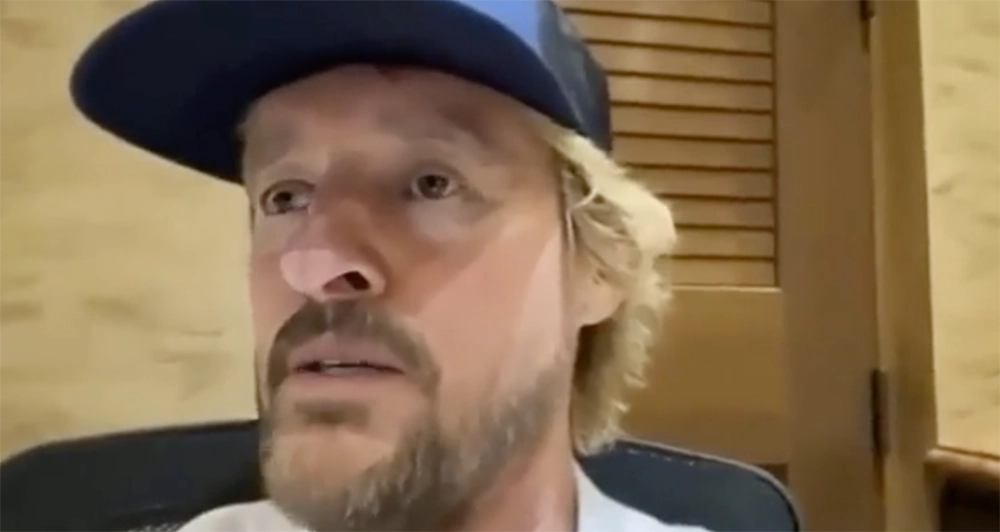
It began, as these things often do, with a game. A woman in a quiet coastal town matched with a stranger on Yahtzee with Friends. The stranger, she was told, was Owen Wilson—yes, that Owen Wilson: the famously easygoing star of “Wedding Crashers,” “Loki,” and a hundred internet memes. At first, the relationship was digital…
-
How Scammers Use AI to Terrify and Trap Teens
It begins, almost invariably, with a ping: a new friend request, a message on Instagram, a DM from someone who looks like a classmate or a crush. For most American teenagers, this is the digital fabric of everyday life—unremarkable, even routine. Yet, increasingly, these unassuming notifications mark the opening moves in a criminal scheme whose…