Author: Bastion
-

Google Yourself, Before They Do: Why Your Online Footprint is a Scammer’s Treasure Map
One night, I typed my name into Google. Not for vanity reasons (okay, not just vanity reasons). I wanted to see what a scammer could learn about me with just a search bar and a curious mind. Within three minutes, I had a list of restaurants I’d visited, a photo of my dog, a cousin’s…
-

Scammers Are Cloning Car Dealerships—and It’s Costing People Everything
The scam didn’t start with a typo-filled email from a prince. It started with a Cadillac Escalade and a beautiful, clean-looking website. A buyer found a luxury SUV online, interacted with what seemed like a friendly dealership, even FaceTimed with someone who showed them the car. The site had a Trustpilot rating. There was a…
-

How Romance Scams Start: The Subtle Hooks That Reel You In
One day, you get a text from an unknown number. It doesn’t seem overtly suspicious. Maybe it’s a wrong number. Maybe it’s someone you forgot to save in your contacts. Or maybe, just maybe, it’s the opening move in a long, calculated con. Romance scams don’t start with an elaborate sob story or a desperate…
-

AI Scammers Just Pulled Off a $25 Million Heist Using Deepfake Video Calls
It sounds like something out of a sci-fi thriller: A finance worker at a multinational company gets a video call from the chief financial officer. The request? A confidential, high-stakes money transfer. Other colleagues are on the call, nodding along, seemingly in the know. Everything checks out. So, the employee wires over $25 million.
-

Fraudsters Posing as WWE’s Alexa Bliss Scams Elderly Man Out of $1 Million
For years, Alfred Mancinelli believed he was in a relationship with WWE star Alexa Bliss. The 79-year-old grandfather, a retired electronic technician from New York, spoke about her with admiration, sent her affectionate messages, and—most devastatingly—wired her nearly $1 million.
-

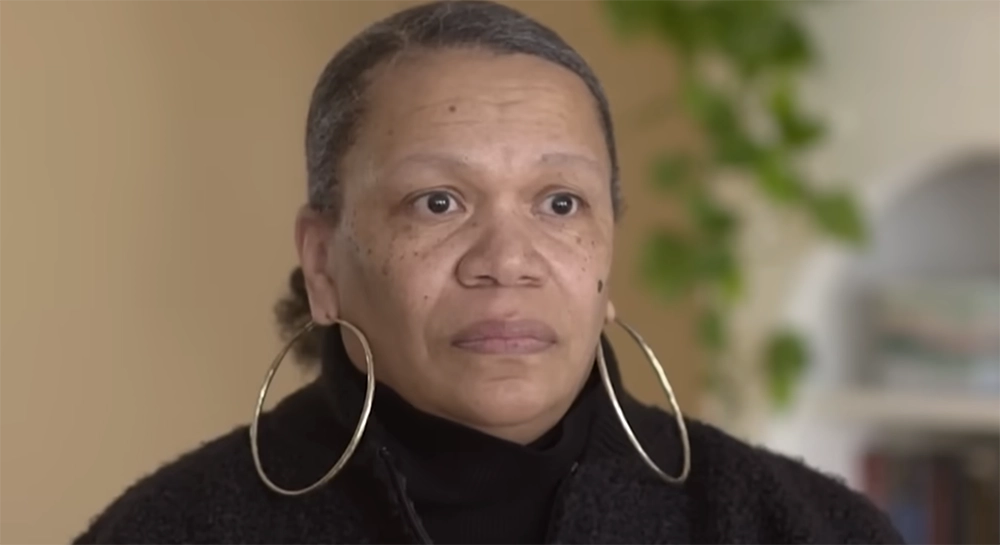
A Woman Lost Her Life Savings to Fraud. Chase Bank Says It’s Not Liable.
For nearly two decades, Courtney White deposited her earnings into a savings account at Chase Bank. A former sergeant with the Markham Police Department, White worked overtime shifts to build a financial cushion, carefully structuring her account to require in-person transactions—no debit card, no checks—as an added layer of security. But in the fall of…