Latest Articles
-

The One Rule That Could Save You From Getting Scammed
At this point, you’d think it would be common knowledge: if you didn’t make the call, don’t hand over your personal or financial information. Yet, every single day, people still get scammed out of their savings because someone on the other end of the line sounded official, urgent, or just plain convincing.
-

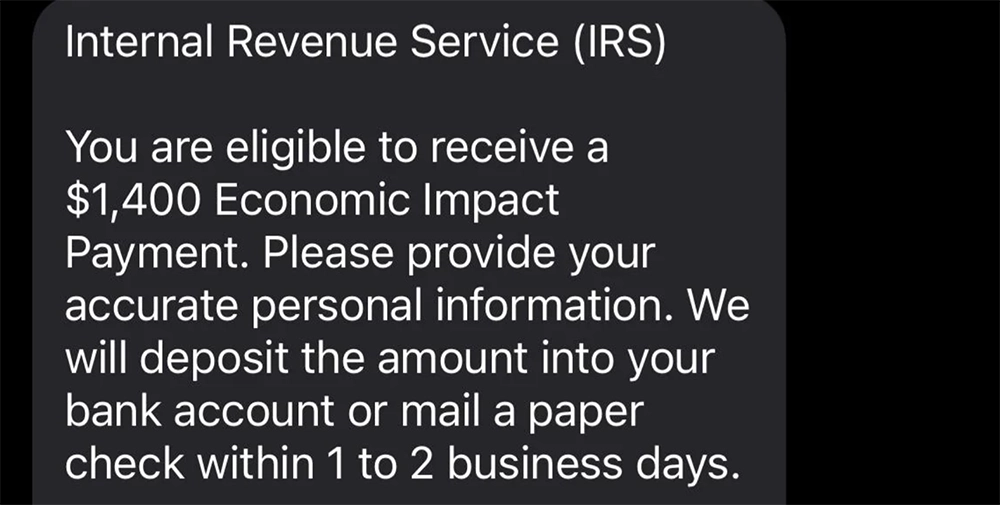
Fake IRS Texts Are Back — Here’s How to Spot the Scam
If you woke up this morning to a text from the IRS promising you a $1,400 stimulus check, you might want to take a second look. Because, spoiler alert: it’s not from the IRS. It’s from a scammer who wants your personal information.
-

Google Search Ads Are Tricking People Into Scams—Here’s How to Avoid Them
When you search for a service or website on Google—whether it’s your bank, a software download, or customer support—it’s easy to assume that the first few results are the most reliable. But cybercriminals are taking advantage of this assumption, and thousands of people are falling for it every day.
-

The Power of No: Why You Don’t Owe Strangers an Explanation
A lot of people struggle with saying no. Not because they don’t want to, but because they feel they have to justify it. They don’t want to seem rude. They worry about hurting someone’s feelings. They think rejecting a request makes them a bad person.
-
The Dark Web Marketplace: How Your Data Ends Up for Sale
In the shadowy corners of the internet, where Google cannot reach and anonymity is king, your personal data is being auctioned off like contraband at a black-market bazaar. Credit card numbers, login credentials, Social Security numbers, medical records—items that should be personal, untouchable—are sold with the ease of buying a pair of shoes online.
-
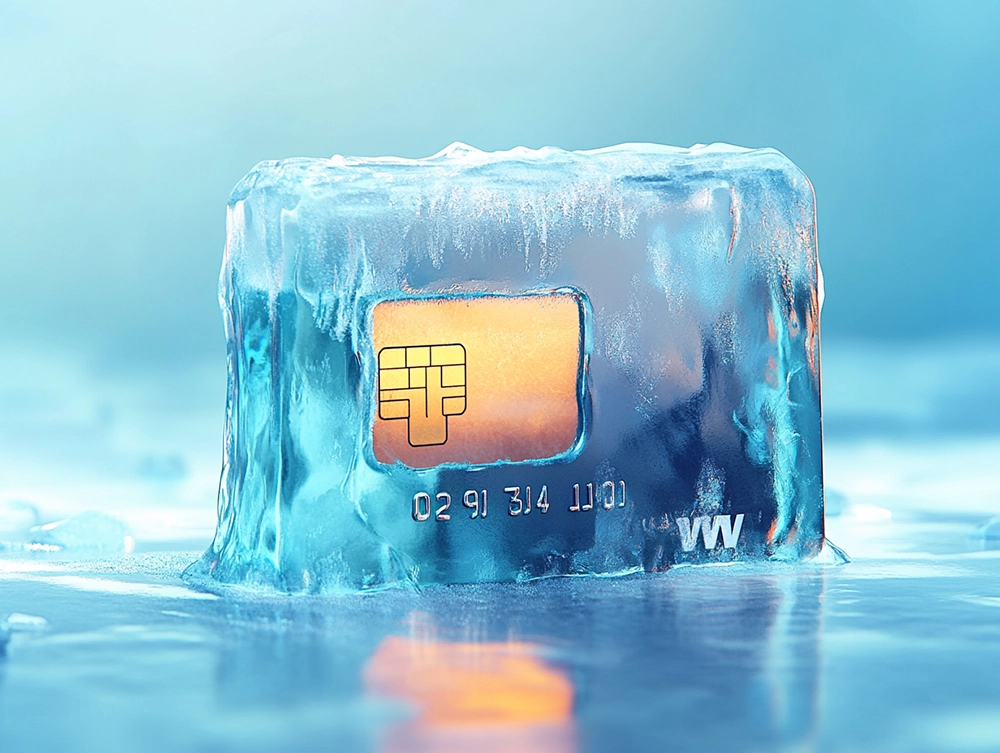
Why a Credit Freeze Is One of the Smartest Security Moves You Can Make
In the world of online security, where breaches are an everyday headline, the phrase “It won’t happen to me” is the biggest lie you can tell yourself. Your personal information is probably already out there—if not from a high-profile breach, then from the countless websites, apps, and services you’ve used over the years. So, what’s…