Author: Bastion
-

Protect Yourself from Bank Scams with One Simple Step
One of the most effective ways to protect yourself from bank scams is deceptively simple: when you get a call claiming to be from your bank, hang up and call back using the official number. This small action can save you from potentially devastating fraud.
-

How to Help Elderly Loved Ones Avoid Common Scams
As our loved ones age, they become more vulnerable to a range of scams specifically designed to exploit their trust and sometimes their unfamiliarity with technology. Here are some of the most common scams targeting elderly individuals, how to recognize and prevent them, and ways to support our elderly family members against these threats.
-

iPhone Stolen? Be Prepared for These Scammer Tactics
If you’ve had your iPhone stolen, the last thing you want is to be harassed by thieves trying to unlock and resell your device. Unfortunately, these criminals are becoming increasingly clever in their attempts to manipulate victims into giving up their Apple ID credentials or removing the device from Find My. In this article, we’ll…
-

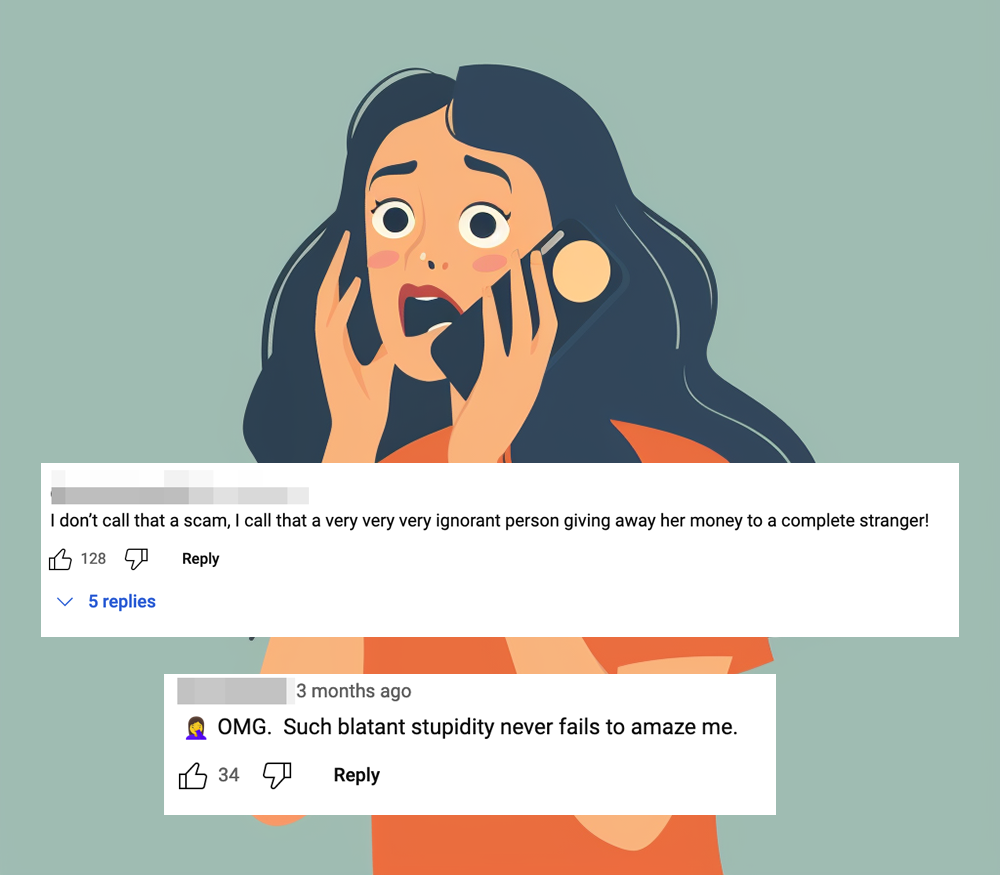
Why We Need to Stop Ridiculing Scam Victims and Start Showing Them Sympathy
Scams have become increasingly sophisticated and widespread. From romance scams to phishing attempts, fraudsters are continually finding new ways to exploit unsuspecting individuals. However, when stories of people falling victim to these scams surface, it’s disheartening to see the barrage of negative comments that follow.
-

The Psychology of Fear-Based Scams: How Scammers Exploit Your Emotions
Fear is a powerful emotion that can cloud our judgment and hinder our ability to think critically. Scammers are well aware of this fact and often employ fear-based tactics to manipulate their victims into making irrational decisions. In this blog post, we’ll explore the psychology behind fear-based scams and how they can shut down your…
-

Why You Should Never Let a Stranger Borrow Your Phone
In today’s digital age, our smartphones have become an essential part of our lives. They are not just communication devices but also serve as our wallets, storing sensitive financial information and access to various payment apps. Just as you would never hand your wallet to a stranger, you should never lend your phone to someone…